

Cart
- No products in the cart.
Total:
0 UAH

500 UAH
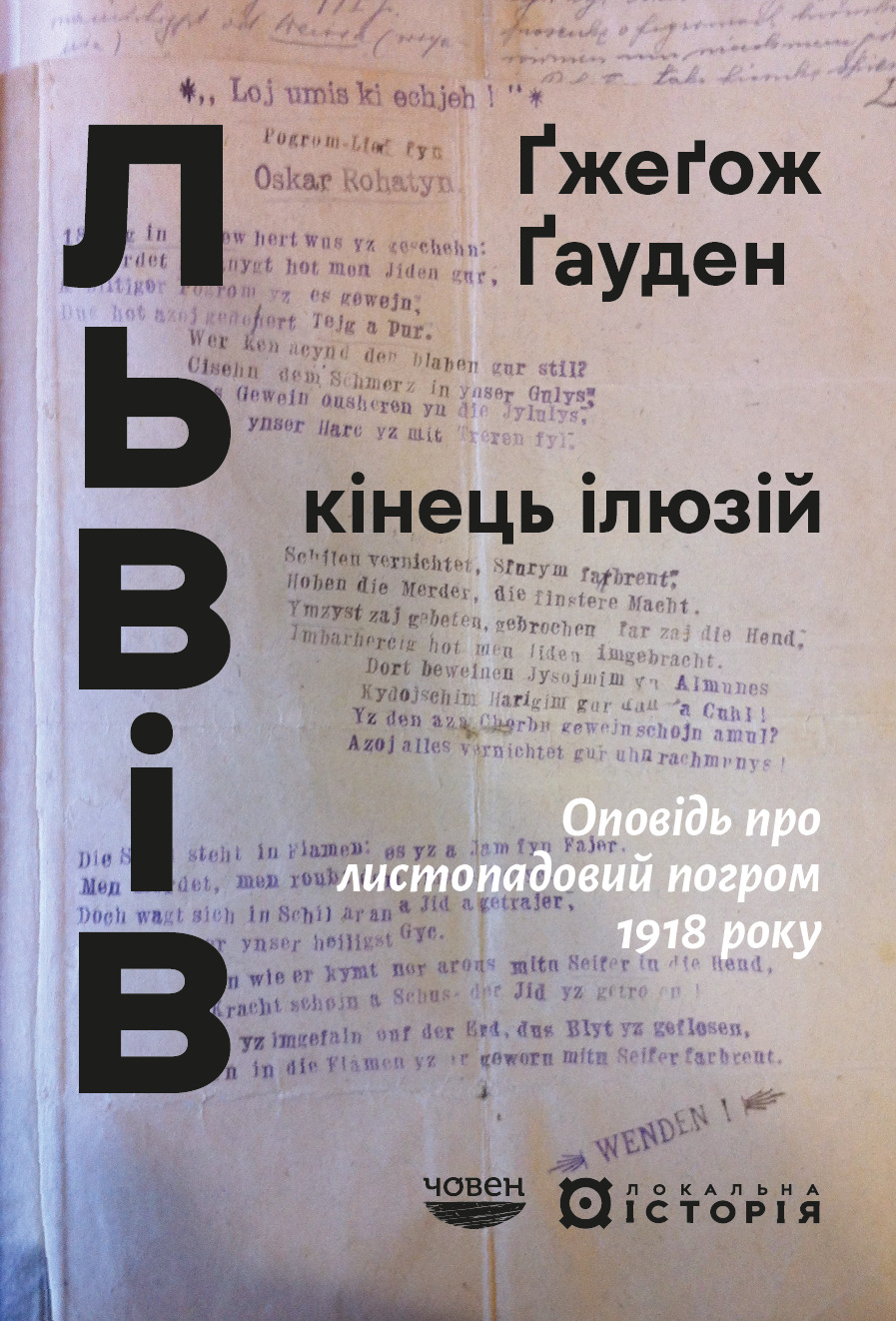
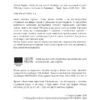
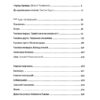
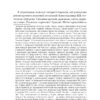
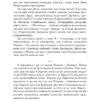
"Lviv: The End of Illusions" is a highly specialized historical non-fiction, the first and unique in terms of reliability and scope of the material covered research of the pogrom of the Jewish population of Lviv, which was staged by Polish soldiers in November 1918. Over the course of a century, Polish historiography - particularly for political reasons - described this tragic event as a series of ordinary criminal crimes committed in the chaos of war by Ukrainian and even Jewish bandits and deserters from the Austrian army.
Grzegorz Gauden challenges this interpretation and convincingly proves that the wave of Jewish pogroms with which Poland celebrated its independence was not accidental at all.
Grzegorz Gauden was born in 1953 in Poznań. Lawyer and economist by education. In the early 1980s, he was a self-published journalist and activist of the independent trade union Solidarność in his hometown. On December 13, 1981, he was interned for opposition activities. In 1984–1992, he was in exile in Sweden. There he organized and headed the Swedish Solidarność support committee.
After returning to independent Poland, he published print media. In 2004–2006, he was the editor-in-chief of one of the most influential daily newspapers, Rzeczpospolita. In 2008–2016, he managed the Book Institute in Krakow. Currently, he is an independent publicist. Lives in Warsaw and Stockholm.
In 2020, the book "Lviv: the end of illusions. The Story of the November Pogrom of 1918" won the "Historical Awards" contest from the influential Polish magazine POLITYKA in the "Popular Science and Nonfiction Books" category.
The translation and publication of the book was supported by the European Union under the House of Europe program.